
Designing for an AI-Augmented World: Slow Spaces, Fast Tools
Designing for an AI-Augmented World: Slow Spaces, Fast Tools
Designing for an AI-Augmented World: Slow Spaces, Fast Tools2025.06.06
-
The workplace is getting smarter. Tools are faster. Decisions, increasingly automated. As AI becomes a standard part of professional life, the question for designers is clear: How do we support human creativity in an AI-driven world?
-

-
-
One answer lies in the slowness of space.
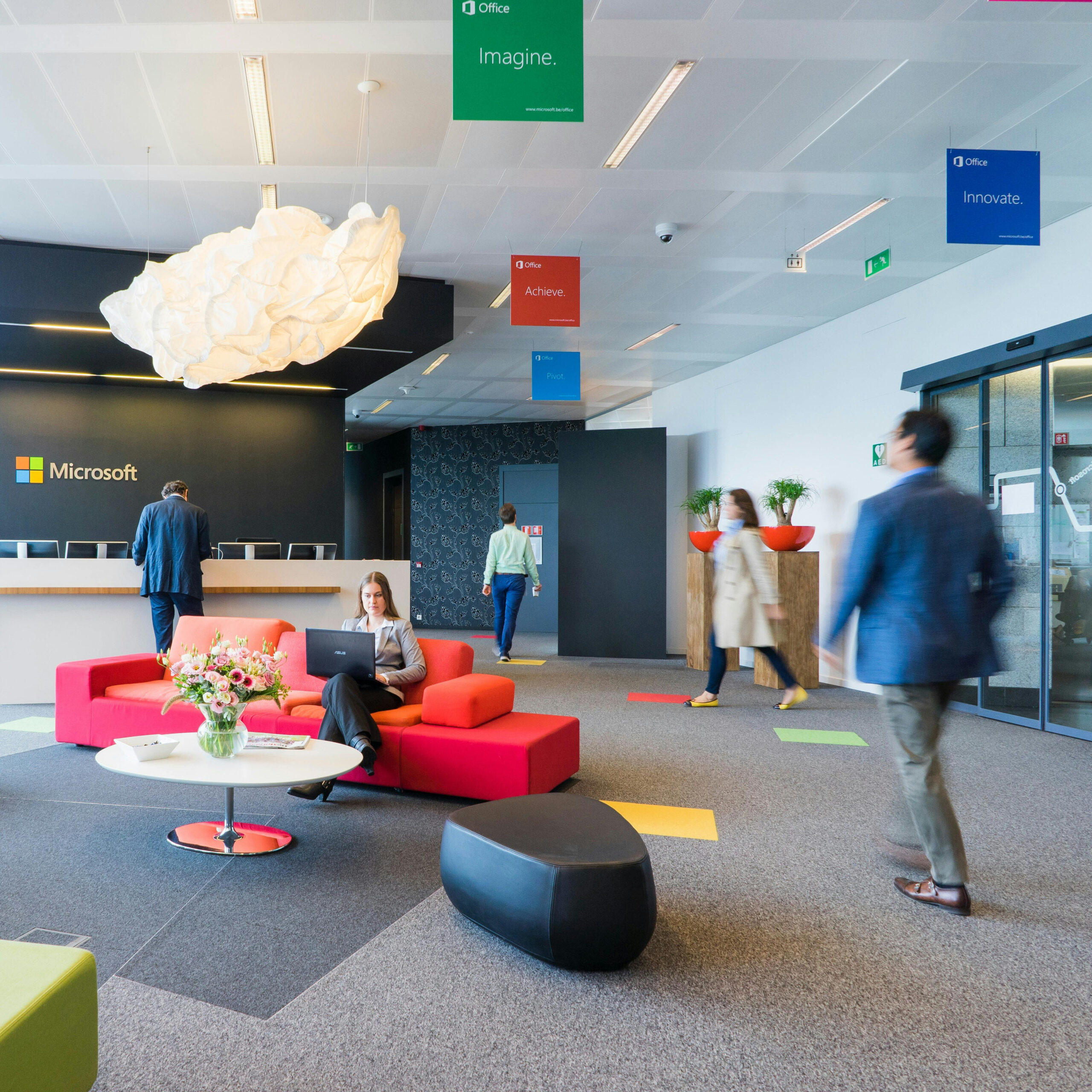
As tasks get optimized, people need environments that allow for reflection, focus, and emotion. We’re seeing a shift from screen-centric layouts to sensory-centric designs. The new office isn’t about rows of monitors—it’s about places where ideas can breathe.
-
-
Key strategies:
- Analog materials in digital contexts—think soft textiles, warm woods, matte finishes.
- Spaces that support neurodiversity, with acoustic balance and lighting variety.
- Furniture that invites pause—curved, tactile, modular, human.
AI might predict what we’ll need. But space still has the power to make us feel. And in a future run by algorithms, emotional presence may be the most important resource of all.